Preserving baby teeth is an important part of pediatric dental care. When a tooth becomes infected or severely decayed, nerve treatment can provide relief and help maintain proper dental development.
A baby root canal, also called primary nerve treatment, is one of the most common procedures used to address these concerns, offering a safe and effective way to support long-term oral health in young children.
We offer baby root canal treatment (primary root nerve treatment), at our pediatric dental office in St. Petersburg, FL.
Key Takeaway
A baby root canal, or primary root nerve treatment is a safe and effective way to treat infection or inflammation in a primary tooth. This procedure helps prevent tooth loss, protect natural teeth, and support long-term dental health.
What Is a Baby Root Canal?
A baby root canal, also known as a pulpotomy or primary tooth nerve treatment, is a dental procedure that saves decayed or damaged baby teeth, relieves pain, and protects your child’s oral health.
This treatment involves removing the infected portion of the pulp chamber while preserving the healthy root pulp tissues. This allows the baby tooth to remain in place until it is ready to fall out naturally and be replaced by a permanent tooth.
This procedure is commonly recommended when tooth decay has reached the inner pulp or when a tooth has experienced trauma but still has healthy roots.
Myths About Baby Root Canals
Some parents worry that root canals are “toxic” or unsafe. This belief comes from outdated, disproven claims that have no basis in modern science. Today’s baby root canal procedures use safe, biocompatible materials and follow strict pediatric guidelines to protect your child’s health and comfort.
Why Primary Teeth Matter
Even though baby teeth are temporary, they play a vital role in your child’s development.
Healthy primary teeth:
- Help with proper chewing and speech
- Maintain space for incoming permanent teeth
- Support jaw and facial development
Treating an infected or damaged baby tooth can prevent further issues such as severe pain, dental abscesses, or the early loss of the tooth.
Benefits of a Baby Root Canal
Pulpotomies are an important part of pediatric dental care and offer several benefits:
- Relieves pain caused by infection or decay
- Saves the natural tooth and avoids early extraction
- Supports the proper spacing for permanent teeth
- Reduces the risk of future dental procedures
- Promotes long-term oral health and development
Signs Your Child May Need a Pulpotomy
It is not always easy to tell when your child is experiencing dental problems, which is why routine dental visits and cleanings are so important. Common signs that may indicate the need for a pulpotomy include:
- Persistent toothache or severe pain
- Sensitivity to hot, cold, or sweet foods
- Swelling or redness near a tooth
- A dark or discolored baby tooth
- Signs of tooth decay such as brown spots or visible holes
If you notice any of these symptoms, schedule a dental visit at Sunny Smiles Pediatric Dentistry for a complete evaluation.
Pulpotomy vs Pulpectomy: What’s the Difference?
A pulpotomy and a pulpectomy are both procedures used to treat infected or damaged baby teeth, but they differ in how much of the tooth’s internal tissue is removed.
A pulpotomy treats infection confined to the upper pulp chamber of the tooth. It preserves the healthy root tissues and allows the primary tooth to remain in place until it naturally falls out.
A pulpectomy is necessary when the infection has reached the root canals. This procedure removes all pulp tissues from both the crown and roots of the tooth and is more similar to a full root canal treatment used on permanent teeth.
What to Expect During the Pulpotomy Procedure
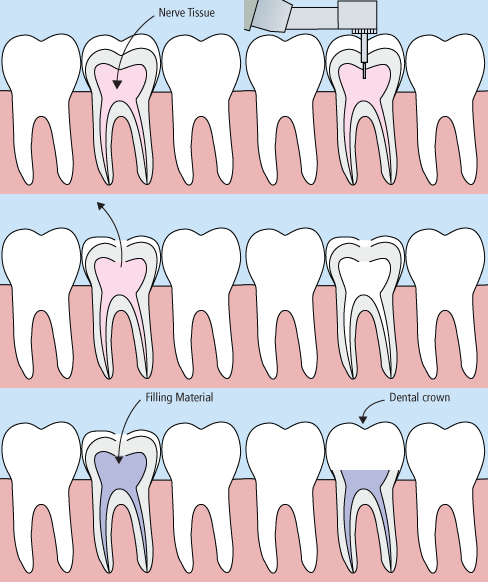
The pulpotomy procedure is straightforward, gentle, and performed in a single visit. Here is what your child can expect:
- Comfort and preparation: We begin by helping your child feel relaxed and comfortable. Sedation options such as nitrous oxide and IV sedation are available if needed.
- Numbing the area: A local anesthetic is used to numb the tooth and surrounding tissues.
- Removing infected pulp:The affected pulp is carefully removed from the top of the pulp chamber.
- Medicinal treatment: A special material is placed inside the chamber to protect the remaining healthy pulp tissues and prevent bacterial infection.
- Restoring the tooth: The tooth is sealed and covered with a dental crown. We may recommend a stainless steel, zirconia, or strip crown depending on the tooth’s location, level of decay, and aesthetic considerations. This restores function and helps protect the tooth from further decay.
Caring for the Treated Tooth
After the pulpotomy, your child can resume normal eating and brushing habits. To support healing and maintain strong, healthy teeth, we recommend:
- Brushing twice daily with fluoride toothpaste
- Flossing gently around the crown
- Avoiding hard or sticky foods that may damage the crown
- Following up with regular dental cleanings and checkups
- Maintaining a healthy diet that supports dental health
During each dental visit, we will monitor the treated tooth and check for signs of any changes.
Part of a Complete Preventive Plan
At Sunny Smiles Pediatric Dentistry, we believe that early intervention, education, and preventive care go hand in hand. Alongside baby root canal treatment, we offer:
- Dental sealants to protect chewing surfaces
- Fluoride treatment to strengthen enamel
- Comprehensive dental exams and x-rays
- Personalized dental hygiene education for families
Together, these services form a strong foundation for your child’s lifelong oral health.
Your Local Home for Children’s Smiles
You can find us in our bright yellow building with blue shutters, right off MLK Jr. Street near Gandy Boulevard. Our cheerful office, painted bright yellow with blue shutters, is a welcoming home for pediatric dentistry in St. Petersburg, FL.
We accept most PPO dental insurance plans and are in-network with many providers, helping families in St. Petersburg, FL receive high-quality pediatric care with predictable costs.
Schedule an Appointment in St. Petersburg, FL
If your child is experiencing signs of tooth decay or discomfort, do not wait. A baby root canal may be the solution that protects their smile and prevents more serious dental problems.
To book an appointment, at our pediatric dental office in St. Petersburg, FL, call (727) 914-6611 or visit us at 8525 Dr MLK Jr St N St Petersburg, FL.
Frequently Asked Questions
Is it worth doing a root canal on a baby tooth?
Treating and preserving a baby tooth with a root canal helps prevent early tooth loss, supports healthy oral development, and avoids future dental problems such as misaligned permanent teeth.
Who performs baby root canals?
Baby root canals, or pulpotomies, are performed by pediatric dentists with specialized training in treating the unique dental needs of children.
What is the youngest age to get a root canal?
A baby root canal can be performed as young as a child needs it. There is no specific minimum age. If a primary tooth is severely decayed or infected and the child is healthy enough for treatment, a pulpotomy may be recommended. Pediatric dentists evaluate each case individually to determine the safest and most appropriate timing.
What is the success rate of baby root canals?
When properly diagnosed and performed, baby root canals have a high success rate. Regular follow-up and good oral hygiene can help the treated tooth remain healthy until it naturally falls out.