Reviewed by Dr. Marai Vales
|
Reading time: four minutes
Red cheeks are common in babies and are usually harmless. In many cases, redness is linked to normal development or mild skin irritation. In other situations, it may signal an underlying condition that benefits from closer attention.
Table of Contents
Common Causes of Red Cheeks in Babies
Most babies develop red cheeks at some point, and the cause is often temporary. Several everyday factors can cause redness on a baby’s cheeks. Understanding the most likely causes helps determine whether observation or professional care is appropriate.
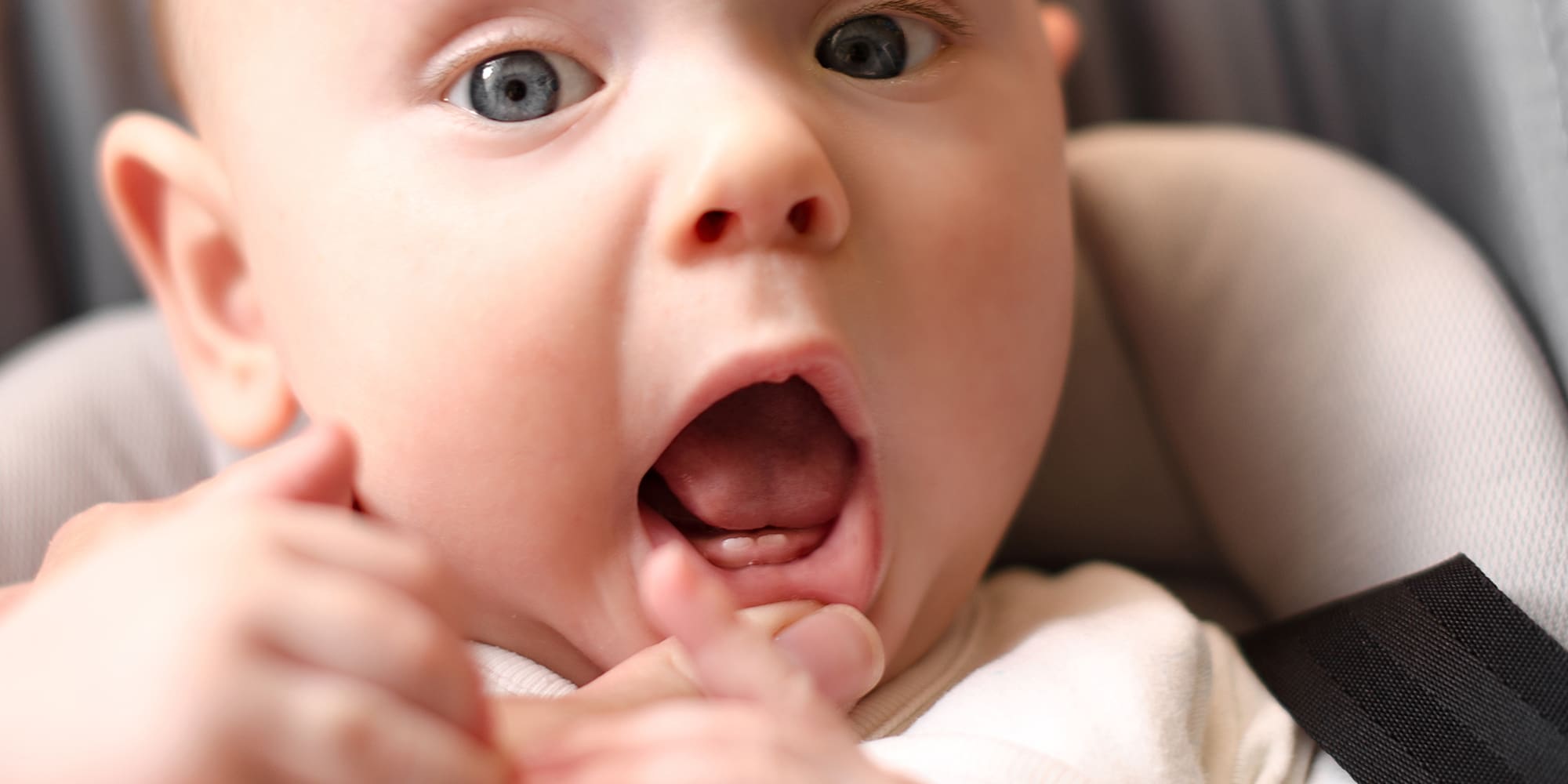
Teething and Increased Drooling
Teething often increases saliva production. Constant moisture on the skin can lead to irritation and redness, especially around the cheeks and mouth.
Teething signs often include:
- Drooling
- Mild cheek redness, either one side or both
- Chewing on hands or toys
- Irritated skin around the lips and chin
Sensitive Skin or Mild Irritation
Baby skin is thin and reacts easily to external triggers. Red cheeks may develop after contact with certain products or fabrics.
Triggers could be:
- Soaps or baby wipes
- Laundry detergents
- Rough clothing or blankets
- Frequent rubbing of the face
Cold Weather and Dry Air
Exposure to cold air or low humidity can dry out the skin, leading to redness and irritation on the cheeks. This is common during winter months or in air-conditioned environments.
The skin may appear:
- Dry or flaky
- Red but not raised
- Worse after outdoor exposure
Drool Rash
Drool rash develops when saliva remains on the skin for extended periods. While it most often affects the chin and mouth area, moisture and friction can allow irritation to spread to the cheeks.
Drool rash often appears as:
- Red, irritated patches
- Skin that looks shiny or raw
- Redness that worsens during teething
Eczema
Some babies develop eczema, which commonly affects the cheeks. This condition causes inflammation and dryness and may flare periodically.
Eczema-related cheek redness may include:
- Rough or scaly skin
- Persistent redness
- Occasional itching or discomfort
Viral Rashes
Certain viral infections can cause red cheeks as part of a broader rash pattern. One example is fifth disease, which is sometimes described as a “slapped cheek” appearance.
Viral rashes often occur with:
- Fever or cold symptoms
- Rash spreading to other parts of the body
- Changes in appetite or behavior
When Red Cheeks Are Part of Normal Teething Development
For many babies, red cheeks appear during periods of active teething. As teeth begin to emerge, increased saliva production and gum sensitivity are common. These changes can coincide with flushed cheeks, drooling, and oral discomfort, even when the skin itself is healthy.
The American Academy of Pediatric Dentistry recommends scheduling a child’s first dental visit by their first birthday or within six months of the first tooth appearing. These early appointments allow your pediatric dentist to monitor oral development, answer teething-related questions, and help families establish healthy habits from the start.
Support for Early Oral Development
Early dental visits help monitor tooth eruption and provide guidance during teething. Sunny Smiles Pediatric Dentistry offers gentle, age-appropriate care focused on early oral development and establishing healthy habits from the start.
To book an appointment at our pediatric dental office in St.Petersburg, call (727) 914-6611 or visit us at 8525 Dr MLK Jr St N St Petersburg, FL 33702.
FAQs
Do red cheeks mean a baby is too hot?
teething, drooling, skin sensitivity, or environmental changes. If your baby seems comfortable and the redness comes and goes, it’s usually not a sign that they are too warm.
How long should red cheeks last in a baby?
Mild redness often resolves within a few days. If redness lasts more than a week, worsens, or is accompanied by symptoms such as fever, spreading rash, cracked skin, or changes in feeding or behavior, a healthcare provider should evaluate your baby.
Should I apply cream to my baby’s red cheeks?
A gentle, fragrance-free moisturizer can help soothe and protect irritated skin, especially when drooling is involved. Use infant-safe products and avoid medicated or scented creams unless recommended by a healthcare professional.